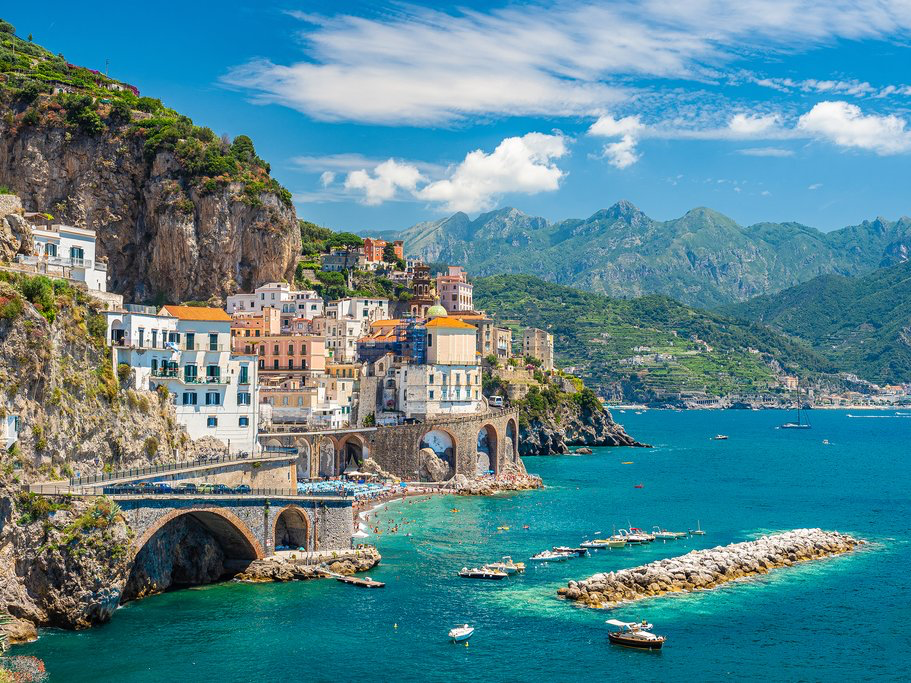
Who thrives here
Ideal for
- Culture-first travelers who like living in a place with layers
- Nomads stretching a runway - freelancers, early founders, sabbaticals
- People looking for a reset - quiet mornings, focus, less city
Probably skip if
- Party-first nomads - you'll get bored
- Ocean-obsessed nomads
Why people move here
A cobblestone colonial town surrounded by three volcanoes - the calmest, prettiest base in Central America. For nomads earning euros or dollars, Antigua feels absurdly affordable - you can rent a good apartment, eat out every night and still save. There is enough history and culture that even a six-month stay leaves you with a list of things you didn't see.
Planning a stay in Antigua
A month or more in Antigua is a different trip from a week's holiday. The order you sort things out in matters more than the brands you pick, so here is the sequence most long-stayers follow, with what to look out for at each step.
1. Pick your dates
The most comfortable months in Antigua are Nov, Dec, Jan, Feb and around. Arriving at the start of that window gets you the weather without the peak-season rents, and gives you room to extend if you like it. Fares move a lot with weekday, so search a range of dates on Aviasales or Kiwi.com rather than a single day.
2. Plan the first day
Late arrivals are where most first-day stress comes from: no local data, an unfamiliar taxi rank, and a check-in that is still hours away. A fixed-price transfer booked ahead, for example through Kiwitaxi, removes the guesswork, and if your room is not ready you can leave bags nearby with Radical Storage.
3. Find a base, then a home
Book one or two weeks somewhere central with free cancellation, then walk the neighborhoods above before committing to a month. Furnished one-bedrooms run around €950/mo here; ask for a recent internet speed test and photos of the desk, and expect monthly discounts of 20-40% off nightly rates.
4. Get connected before you fly
Install a travel eSIM at home, while you still have reliable Wi-Fi, so maps and messages work at the airport. Airalo and Saily both sell data-only plans for Guatemala. If you stay longer than a month, a local SIM is usually cheaper, and your eSIM becomes the backup for the day the apartment Wi-Fi drops.
5. Sort insurance and money
Ordinary holiday policies often stop covering you after 30 to 90 days, so check the maximum trip length before you go and look for cover that runs by the month. If a visa is involved, confirm the policy meets its requirements. A card with low foreign exchange fees makes rent and deposits in Guatemala cheaper.
6. Leave the weekends open
Don't book every tour in week one. Settle in, then pick the one or two trips that matter; sites like Klook and Tiqets let you cancel most bookings a day ahead. For places outside the city, comparing rental cars on Localrent is often cheaper than a guided day trip for two people.
If a flight is delayed or cancelled, you may be owed compensation; services like AirHelp handle the claim. Our Travel Kit has the full list of tools we recommend.
What life looks like
People move to Antigua looking for one thing and stay for another. They come for the affordability or the food and end up staying for a slower relationship with a place that gets more interesting the longer you look at it. The first two weeks are usually spent walking, mapping cafés, figuring out where locals actually eat. By month three most nomads have found their coworking spot, their gym, their Sunday market - and start telling everyone back home that Antigua might be it.
Slow morning at a neighborhood café - flat white, laptop, no rush. Deep-work block in a coworking space or a quieter café through lunch. Afternoon errand run - market, gym, a walk through one of the older parts of Antigua. Dinner at a spot the friend group has claimed as its own. Home by eleven - early enough to actually sleep.
A cobblestone colonial town surrounded by three volcanoes - the calmest, prettiest base in Central America.
Neighborhoods to live in
Centro
Colonial cobblestone center - volcanoes on the horizon.
San Pedro las Huertas
Just south - cheaper, real neighborhoods.
Jocotenango
North - cheaper, quieter, walking to Centro.
San Felipe de Jesús
A northern village within the Antigua area, known for its church and traditional food stalls.
Santa Ana
A village on Antigua’s southeastern edge with a small plaza and a more residential pace.
Food & café scene
The food scene in Antigua rewards curiosity. Central-American cuisine is quietly having a global moment - masa, seafood, mezcal, all of it deeper than the tourist menus suggest. Specialty coffee is now a serious scene here - you'll find flat whites as good as anywhere in the world.
Nightlife & evenings
This is not a nightlife destination. Evenings end early, most nomads use them to sleep or read.
Activities & things to do
Museums, galleries, weekend markets, walkable historic neighborhoods.
beach
Cerro de la Cruz
A short uphill walk leads to Antigua’s classic viewpoint, with the street grid and Volcán de Agua spread out below.
beach
Volcán Pacaya
This active volcano is a popular guided excursion from Antigua. Trail access depends on volcanic conditions, so check locally before setting out.
nightlife
Café No Sé
This intimate bar is closely associated with mezcal and live music, with a deliberately rough-edged, candlelit atmosphere.
nightlife
Antigua Brewing Company
A central craft brewery with rooftop views, this is a sociable place to try locally brewed beer.
Working from here
cafe
Café Condesa
Overlooking Parque Central, this longstanding café occupies a colonial building with a courtyard made for an unhurried breakfast.
cafe
Fat Cat Coffee House
A compact specialty-coffee favorite in central Antigua, Fat Cat puts Guatemalan beans at the center of the visit.
Cost of living, in real numbers
Averages hide what actually happens on a Tuesday. Here's what everyday things cost in Antigua for a nomad on the short-let lifestyle. Numbers are illustrative and can swing 20-30% by neighborhood and season, but they'll give you a realistic feel before you book a flight.
Housing is where costs move most. A furnished short-let (1-3 months) in a central area is roughly €950/mo. The same apartment on a 12-month local lease is typically noticeably cheaper. Book 2-3 months out and you'll pay 15-25% less than last-minute weekly rates.
Food swings the second most. Cooking most meals with a couple of dinners out per week runs around €460/mo. Eat out or order in daily and you'll add €400-700/mo on top - especially in the tourist zones.
Everything else is fairly stable. Coworking (€150-280/mo unlimited or €15-25 for a day pass), gym or yoga (€40-70/mo), local SIM with 20 GB (€10-20), and getting around town by transit or the occasional ride will together come in around €420/mo.
Weather & best months
Average around 18°C. Best months: Nov, Dec, Jan, Feb, Mar, Apr.
Visa & residency
Most Western passports 90 days visa-free.
Last checked: November 2026
Pros & cons
Pros
- Genuinely affordable - money goes far
- Depth - you never run out of things to see
- Direct flights to most global hubs
- English is fine in the main nomad neighborhoods
Cons
- Not a nightlife city - social life happens over dinner
- Bureaucracy for long stays can be slow
- Real estate turnover is quick - good apartments go in days