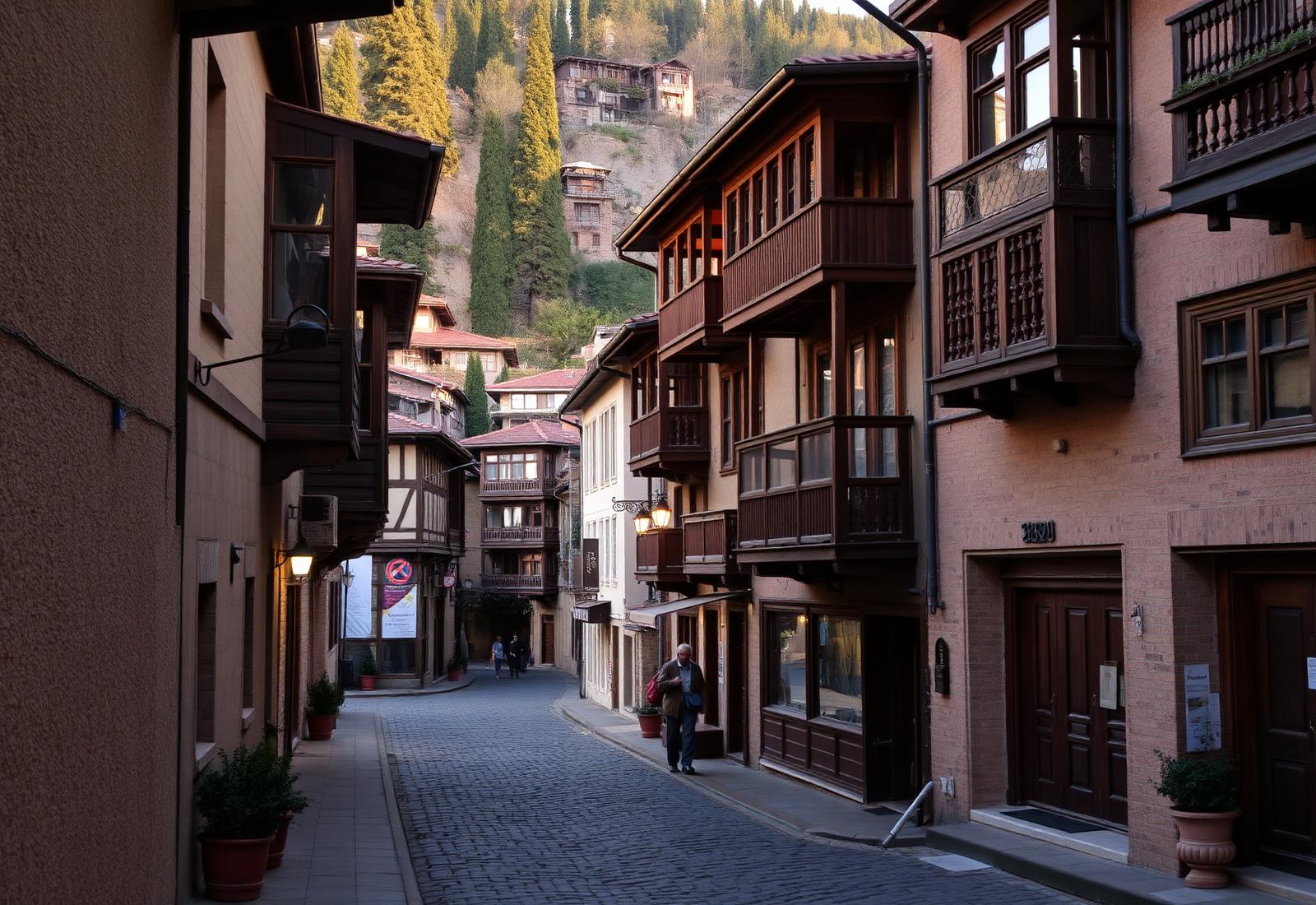
Who thrives here
Ideal for
- History-and-culture nomads (Byzantine + Ottoman on one street)
- Food maximalists - this is a top-3 eating city on earth
- Nomads who want a massive city on modest money
- Anyone who's been there once and never got it out of their head
Probably skip if
- People uncomfortable with traffic chaos and 16-million-person density
- Nomads who want a beach - the Bosphorus is a channel, not a coast
- Anyone rigid about walking distances - Istanbul is huge
Why people move here
The most underpriced great city in the world in 2026. Massive character, tiny prices, ferries between two continents.
Planning a stay in Istanbul
A month or more in Istanbul is a different trip from a week's holiday. The order you sort things out in matters more than the brands you pick, so here is the sequence most long-stayers follow, with what to look out for at each step.
1. Pick your dates
The most comfortable months in Istanbul are Apr, May, Sep, Oct. Arriving at the start of that window gets you the weather without the peak-season rents, and gives you room to extend if you like it. Fares move a lot with weekday, so search a range of dates on Aviasales or Kiwi.com rather than a single day.
2. Plan the first day
Late arrivals are where most first-day stress comes from: no local data, an unfamiliar taxi rank, and a check-in that is still hours away. A fixed-price transfer booked ahead, for example through Kiwitaxi, removes the guesswork, and if your room is not ready you can leave bags nearby with Radical Storage.
3. Find a base, then a home
Book one or two weeks somewhere central with free cancellation, then walk the neighborhoods above before committing to a month. Furnished one-bedrooms run around €1,100/mo here; ask for a recent internet speed test and photos of the desk, and expect monthly discounts of 20-40% off nightly rates.
4. Get connected before you fly
Install a travel eSIM at home, while you still have reliable Wi-Fi, so maps and messages work at the airport. Airalo and Saily both sell data-only plans for Türkiye. If you stay longer than a month, a local SIM is usually cheaper, and your eSIM becomes the backup for the day the apartment Wi-Fi drops.
5. Sort insurance and money
Ordinary holiday policies often stop covering you after 30 to 90 days, so check the maximum trip length before you go and look for cover that runs by the month. If a visa is involved, confirm the policy meets its requirements. A card with low foreign exchange fees makes rent and deposits in Türkiye cheaper.
6. Leave the weekends open
Don't book every tour in week one. Settle in, then pick the one or two trips that matter; sites like Klook and Tiqets let you cancel most bookings a day ahead. For places outside the city, comparing rental cars on Localrent is often cheaper than a guided day trip for two people.
If a flight is delayed or cancelled, you may be owed compensation; services like AirHelp handle the claim. Our Travel Kit has the full list of tools we recommend.
What life looks like
Turkish breakfast in Cihangir, work from a Karaköy café, ferry to Kadıköy for meyhane and rakı.
Simit and çay for €1, work from a Karaköy specialty café, ferry across to the Asian side for lunch, an afternoon at the Grand Bazaar, sunset from a Galata rooftop, meze dinner in Kadıköy, back on the ferry at midnight.
A layered megacity spanning Europe and Asia, with a skyline of minarets, endless ferries and the world's best breakfast.
Neighborhoods to live in
Cihangir
Bohemian European-side neighborhood - cafés, cats, expats, Bosphorus views.
Karaköy
Old port district turned design/gallery/café hub. Central, waterfront, buzzing.
Kadıköy
Asian side - younger, cheaper, more local. Ferry commute across the Bosphorus is unbeatable.
Balat
Colorful old houses, steep streets and a layered religious history distinguish this Golden Horn neighborhood.
Beşiktaş
Busy ferry connections, student life and crowded food streets give this Bosphorus district an energetic local feel.
Food & café scene
Simit at 8am, meze at 8pm, kebabs at midnight. Beyond the obvious: pide, manti, balık ekmek by the Galata Bridge, mangal grills, seafood in Kumkapı, and third-wave coffee shops on every Cihangir corner. Tea (çay) is a full-time habit.
Nightlife & evenings
Rooftop bars in Karaköy and Beyoğlu, meyhane dinner-drinking sessions that turn into singing, Kadıköy's bar-lined Kadife street, and world-class electronic parties at Klein or Zorlu. Late everything.
Activities & things to do
Bosphorus ferries, Hagia Sophia, Kadıköy nightlife, hammams.
beach
Emirgan Park
Above the Bosphorus, wooded paths and historic pavilions make this park a generous green retreat, especially colorful during tulip season.
beach
Büyükada
The largest of the Princes’ Islands offers pine-scented walks, historic wooden houses and a ferry journey that is part of the pleasure.
nightlife
Nardis Jazz Club
Near Galata Tower, this intimate venue is a longstanding anchor of Istanbul’s live-jazz scene.
nightlife
Arkaoda
In Kadıköy, this influential music bar has long drawn an alternative crowd for DJs, performances and courtyard conversations.
Working from here
coworking
Kolektif House Levent
A flagship address for Istanbul’s coworking scene, this workspace sits in the city’s modern business district.
cafe
Petra Roasting Co.
This influential Istanbul roaster is known for specialty coffee and its spacious Gayrettepe setting within the MUSE Istanbul complex.
cafe
Mandabatmaz
Just off İstiklal Avenue, this tiny institution is famous for thick, carefully prepared Turkish coffee.
Cost of living, in real numbers
Averages hide what actually happens on a Tuesday. Here's what everyday things cost in Istanbul for a nomad on the short-let lifestyle. Numbers are illustrative and can swing 20-30% by neighborhood and season, but they'll give you a realistic feel before you book a flight.
Housing is where costs move most. A furnished short-let (1-3 months) in a central area is roughly €1,100/mo. The same apartment on a 12-month local lease is typically noticeably cheaper. Book 2-3 months out and you'll pay 15-25% less than last-minute weekly rates.
Food swings the second most. Cooking most meals with a couple of dinners out per week runs around €400/mo. Eat out or order in daily and you'll add €400-700/mo on top - especially in the tourist zones.
Everything else is fairly stable. Coworking (€150-280/mo unlimited or €15-25 for a day pass), gym or yoga (€40-70/mo), local SIM with 20 GB (€10-20), and getting around town by transit or the occasional ride will together come in around €500/mo.
Weather & best months
Warm summers 28°C, cool winters 8°C.
Visa & residency
90-day visa-free for many nationalities; residence permits available.
Last checked: November 2026
Pros & cons
Pros
- Incredibly cheap right now
- Amazing food
- Rich culture
- Great flight connections
Cons
- Traffic megacity chaos
- Inflation
- Some bureaucracy