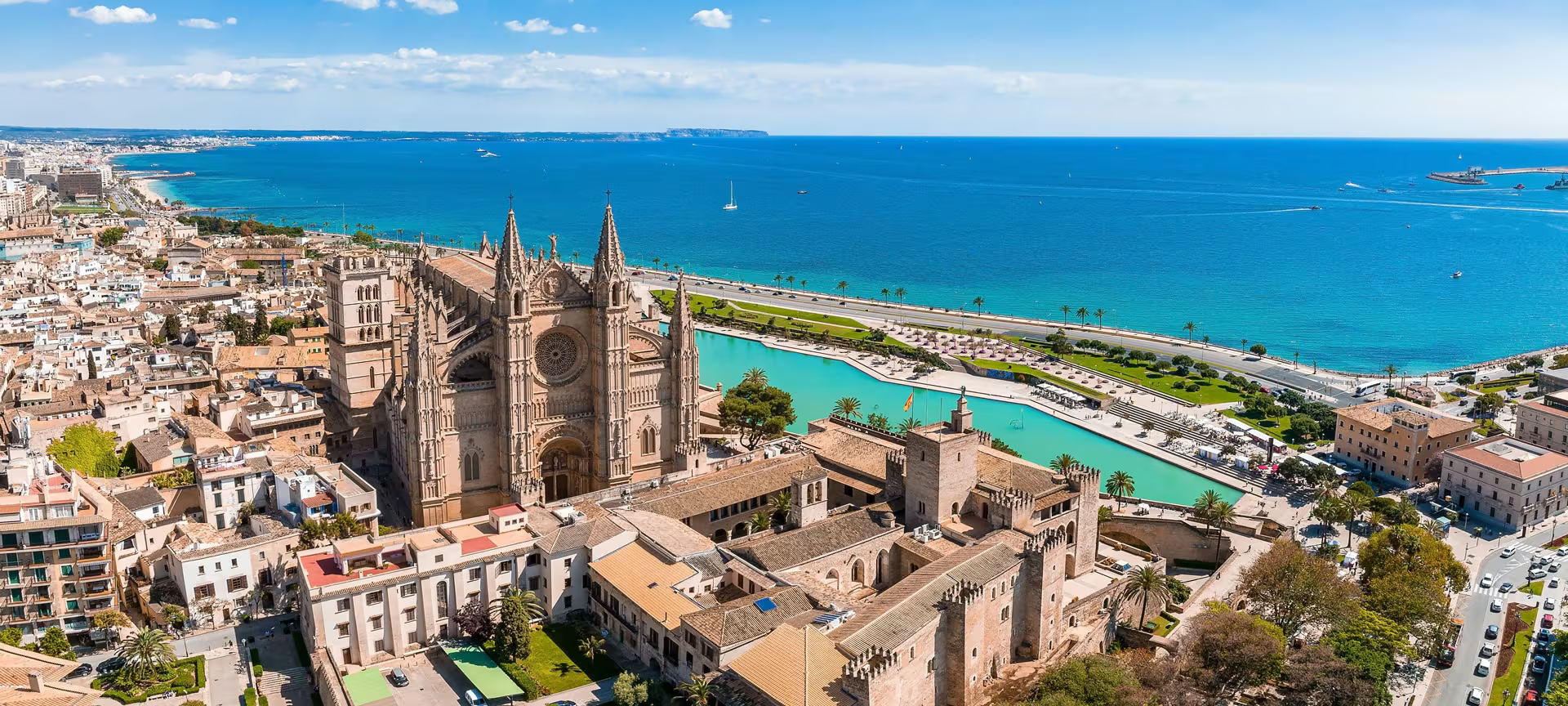
Who thrives here
Ideal for
- Sun-and-sea people who don't want to give up city life
- Social nomads who want dinners and nights out on tap
Probably skip if
- Nomads who prefer chain-hotel predictability
- People who want everything in fluent English
Why people move here
The Riviera Maya's nomad capital - English everywhere, direct flights, Caribbean water, cenotes on the doorstep. The ocean is genuinely close - not a taxi ride, a walk. Nightlife is part of the daily rhythm, not something you seek out on weekends.
Planning a stay in Playa del Carmen
A month or more in Playa del Carmen is a different trip from a week's holiday. The order you sort things out in matters more than the brands you pick, so here is the sequence most long-stayers follow, with what to look out for at each step.
1. Pick your dates
The most comfortable months in Playa del Carmen are Dec, Jan, Feb, Mar and around. Arriving at the start of that window gets you the weather without the peak-season rents, and gives you room to extend if you like it. Fares move a lot with weekday, so search a range of dates on Aviasales or Kiwi.com rather than a single day.
2. Plan the first day
Late arrivals are where most first-day stress comes from: no local data, an unfamiliar taxi rank, and a check-in that is still hours away. A fixed-price transfer booked ahead, for example through Kiwitaxi, removes the guesswork, and if your room is not ready you can leave bags nearby with Radical Storage.
3. Find a base, then a home
Book one or two weeks somewhere central with free cancellation, then walk the neighborhoods above before committing to a month. Furnished one-bedrooms run around €1,400/mo here; ask for a recent internet speed test and photos of the desk, and expect monthly discounts of 20-40% off nightly rates.
4. Get connected before you fly
Install a travel eSIM at home, while you still have reliable Wi-Fi, so maps and messages work at the airport. Airalo and Saily both sell data-only plans for Mexico. If you stay longer than a month, a local SIM is usually cheaper, and your eSIM becomes the backup for the day the apartment Wi-Fi drops.
5. Sort insurance and money
Ordinary holiday policies often stop covering you after 30 to 90 days, so check the maximum trip length before you go and look for cover that runs by the month. If a visa is involved, confirm the policy meets its requirements. A card with low foreign exchange fees makes rent and deposits in Mexico cheaper.
6. Leave the weekends open
Don't book every tour in week one. Settle in, then pick the one or two trips that matter; sites like Klook and Tiqets let you cancel most bookings a day ahead. For places outside the city, comparing rental cars on Localrent is often cheaper than a guided day trip for two people.
If a flight is delayed or cancelled, you may be owed compensation; services like AirHelp handle the claim. Our Travel Kit has the full list of tools we recommend.
What life looks like
People move to Playa del Carmen looking for one thing and stay for another. They come for the beach and end up staying for the neighborhood cafés, the weekly market, the friend group that forms after a month. The first two weeks are usually loud - dinners running past midnight, a new bar every night. By month three most nomads have found their coworking spot, their gym, their Sunday market - and start telling everyone back home that Playa del Carmen might be it.
Slow morning at a neighborhood café - flat white, laptop, no rush. Late-morning walk to the water, twenty minutes, sea air on the way back. Deep-work block in a coworking space or a quieter café through lunch. Afternoon errand run - market, gym, a walk through one of the older parts of Playa del Carmen. Dinner at a spot the friend group has claimed as its own. One drink turns into three, everyone walks home together at 2am.
The Riviera Maya's nomad capital - English everywhere, direct flights, Caribbean water, cenotes on the doorstep.
Neighborhoods to live in
Fifth Avenue
Tourist strip - cafés, restaurants, souvenirs.
Playacar
Gated beach community - quieter, more expensive.
Colosio
Residential inland - where real Playa lives, cheaper apartments.
Zazil-Ha
A northern central neighborhood mixing apartments, restaurants and straightforward access to the beach.
Ejidal
West of the main highway, this large residential area shows a more everyday side of Playa beyond the tourist core.
Food & café scene
The food scene in Playa del Carmen rewards curiosity. Regional Mexican cooking is one of the great cuisines of the world - mole, salsas, moles, no one dish looks the same in two states. Specialty coffee is now a serious scene here - you'll find flat whites as good as anywhere in the world.
Nightlife & evenings
Nightlife in Playa del Carmen has real range - natural wine bars, dive bars, a few clubs that matter, and dinners that stretch till midnight.
Activities & things to do
Beach, swimming, occasional day-boats.
beach
Playa Punta Esmeralda
A freshwater outflow meets the Caribbean at this public beach on the northern side of town, popular with local families.
beach
Cenote Azul
South of Playa, this open-air cenote has clear pools surrounded by vegetation and limestone. Arrive ready to follow conservation rules.
nightlife
Calle 12 Norte
The central nightlife corridor draws visitors to a concentrated stretch of music bars and clubs near Fifth Avenue.
nightlife
Zenzi Beach Bar
A longstanding beachfront bar where sand underfoot and live music give evenings a relaxed coastal feel.
Working from here
coworking
Nest Coworking
A longstanding central coworking space on Avenida 10, with shared desks and a garden for stepping away from the screen.
cafe
Ah Cacao Chocolate Café
This Playa institution pairs coffee with Mexican cacao drinks and brownies, a fitting sweet pause between beach walks.
Cost of living, in real numbers
Averages hide what actually happens on a Tuesday. Here's what everyday things cost in Playa del Carmen for a nomad on the short-let lifestyle. Numbers are illustrative and can swing 20-30% by neighborhood and season, but they'll give you a realistic feel before you book a flight.
Housing is where costs move most. A furnished short-let (1-3 months) in a central area is roughly €1,400/mo. The same apartment on a 12-month local lease is typically noticeably cheaper. Book 2-3 months out and you'll pay 15-25% less than last-minute weekly rates.
Food swings the second most. Cooking most meals with a couple of dinners out per week runs around €620/mo. Eat out or order in daily and you'll add €400-700/mo on top - especially in the tourist zones.
Everything else is fairly stable. Coworking (€150-280/mo unlimited or €15-25 for a day pass), gym or yoga (€40-70/mo), local SIM with 20 GB (€10-20), and getting around town by transit or the occasional ride will together come in around €550/mo.
Weather & best months
Average around 26°C. Best months: Nov, Dec, Jan, Feb, Mar.
Visa & residency
Most Western passports 180 days visa-free (officer discretion). Temporary Resident visa for 1-4 years available.
Last checked: November 2026
Pros & cons
Pros
- Warm most of the year, ocean walking distance
- Real nightlife - every night, not just weekends
- Established nomad and expat community - easy to make friends
Cons
- Situational awareness required - don't flash valuables
- Bureaucracy for long stays can be slow
- Real estate turnover is quick - good apartments go in days