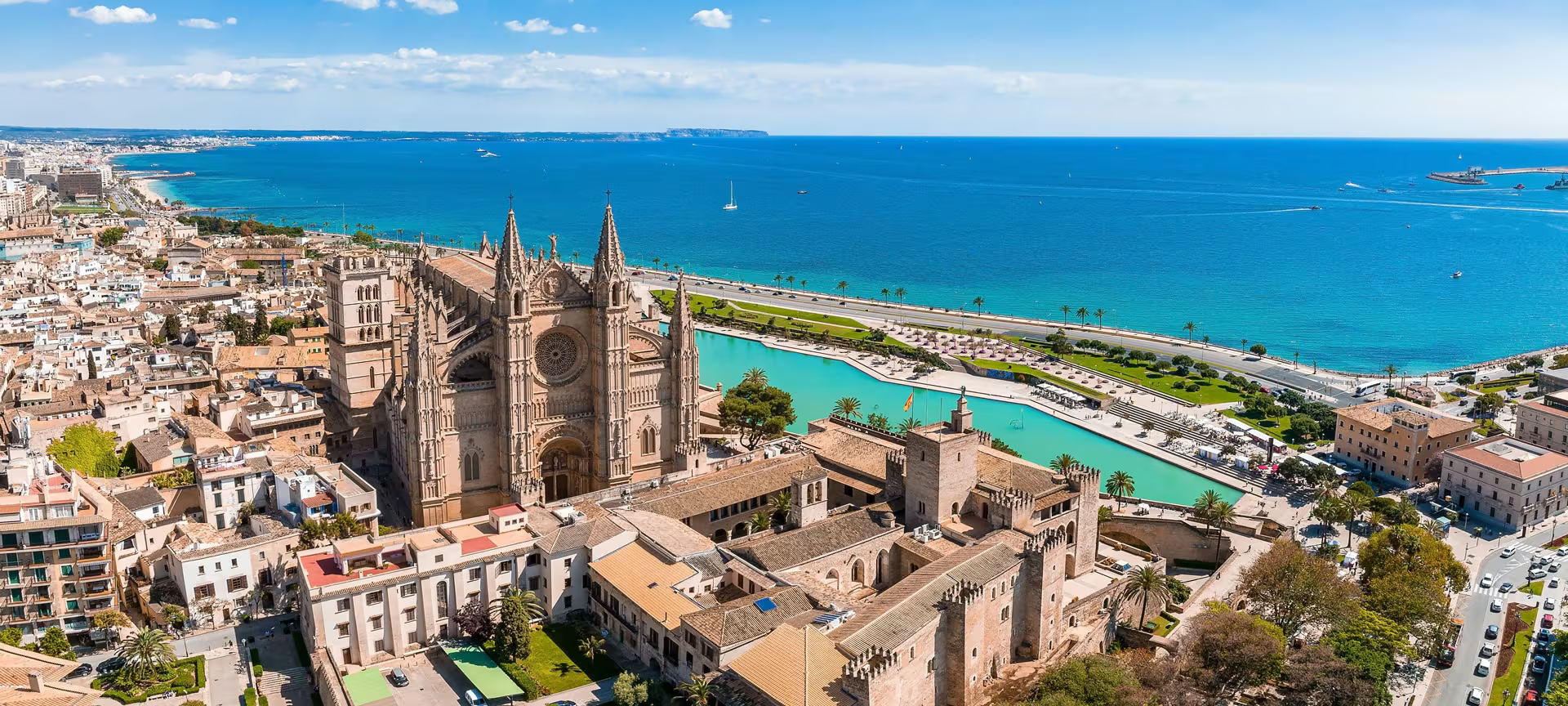
Who thrives here
Ideal for
- Culture-first travelers who like living in a place with layers
- Nomads earning well who want proper city infrastructure
- Wellness- and yoga-first nomads
- Designers, creatives, and people who read magazines about cities
- Outdoor-first nomads - hikers, cyclists, adventure people
Probably skip if
- Anyone on a tight budget - this is not the cheap option
- Ocean-obsessed nomads
- Anyone who needs sun to function - winters here are real
Why people move here
14 islands, endless summer light, the smartest urbanism in Scandinavia. There is enough history and culture that even a six-month stay leaves you with a list of things you didn't see.
Planning a stay in Stockholm
A month or more in Stockholm is a different trip from a week's holiday. The order you sort things out in matters more than the brands you pick, so here is the sequence most long-stayers follow, with what to look out for at each step.
1. Pick your dates
The most comfortable months in Stockholm are May, Jun, Jul, Aug. Arriving at the start of that window gets you the weather without the peak-season rents, and gives you room to extend if you like it. Fares move a lot with weekday, so search a range of dates on Aviasales or Kiwi.com rather than a single day.
2. Plan the first day
Late arrivals are where most first-day stress comes from: no local data, an unfamiliar taxi rank, and a check-in that is still hours away. A fixed-price transfer booked ahead, for example through Kiwitaxi, removes the guesswork, and if your room is not ready you can leave bags nearby with Radical Storage.
3. Find a base, then a home
Book one or two weeks somewhere central with free cancellation, then walk the neighborhoods above before committing to a month. Furnished one-bedrooms run around €2,600/mo here; ask for a recent internet speed test and photos of the desk, and expect monthly discounts of 20-40% off nightly rates.
4. Get connected before you fly
Install a travel eSIM at home, while you still have reliable Wi-Fi, so maps and messages work at the airport. Airalo and Saily both sell data-only plans for Sweden. If you stay longer than a month, a local SIM is usually cheaper, and your eSIM becomes the backup for the day the apartment Wi-Fi drops.
5. Sort insurance and money
Ordinary holiday policies often stop covering you after 30 to 90 days, so check the maximum trip length before you go and look for cover that runs by the month. If a visa is involved, confirm the policy meets its requirements. A card with low foreign exchange fees makes rent and deposits in Sweden cheaper.
6. Leave the weekends open
Don't book every tour in week one. Settle in, then pick the one or two trips that matter; sites like Klook and Tiqets let you cancel most bookings a day ahead. For places outside the city, comparing rental cars on Localrent is often cheaper than a guided day trip for two people.
If a flight is delayed or cancelled, you may be owed compensation; services like AirHelp handle the claim. Our Travel Kit has the full list of tools we recommend.
What life looks like
People move to Stockholm looking for one thing and stay for another. They come for the affordability or the food and end up staying for a slower relationship with a place that gets more interesting the longer you look at it. The first two weeks are usually spent walking, mapping cafés, figuring out where locals actually eat. By month three most nomads have found their coworking spot, their gym, their Sunday market - and start telling everyone back home that Stockholm might be it.
Slow morning at a neighborhood café - flat white, laptop, no rush. Deep-work block in a coworking space or a quieter café through lunch. Afternoon errand run - market, gym, a walk through one of the older parts of Stockholm. Dinner at a spot the friend group has claimed as its own. Home by eleven - early enough to actually sleep.
14 islands, endless summer light, the smartest urbanism in Scandinavia.
Neighborhoods to live in
Södermalm
Island of coffee shops, vintage stores, hills with a view.
Östermalm
Old-money elegance - parks, embassies, the food hall.
Vasastan
Grown-up neighborhood, walking distance to the water on both sides.
Kungsholmen
Waterfront promenades and residential streets give this central island a relaxed, everyday rhythm.
Aspudden
Small shops, local cafes and early twentieth-century buildings create a village-like pocket southwest of the center.
Food & café scene
The food scene in Stockholm rewards curiosity. Neighborhood markets, small family restaurants, a few destination places for special occasions. Specialty coffee is now a serious scene here - you'll find flat whites as good as anywhere in the world.
Nightlife & evenings
Nightlife is quieter - a handful of good bars, dinners that go long, not a scene you come here for.
Activities & things to do
Yoga studios, saunas, cold plunges - a proper wellness scene has settled in. Museums, galleries, weekend markets, walkable historic neighborhoods. You are within an hour of somewhere spectacular - a park, a coast, a range.
beach
Djurgården
Woodland paths and waterfront walks surround this island’s major museums. Step away from the attractions and you can find surprisingly peaceful stretches beside the water.
beach
Hellasgården
In the Nacka nature reserve, Hellasgården combines lakeside recreation with woodland trails. It is a rewarding outing when you want forest air without traveling far from Stockholm.
nightlife
Trädgården
Under the Skanstull bridge, this seasonal nightlife venue combines outdoor social space with music and dancing. Check dates carefully because its summer identity is central to the experience.
nightlife
Stureplan
This central square anchors one of Stockholm’s best-known nightlife areas. Surrounding clubs and cocktail bars tend toward a dressier, higher-spend night out.
Working from here
coworking
Norrsken House Stockholm
Housed in a former tram depot, this well-known hub focuses on entrepreneurs working on social and environmental challenges. Check membership or event access rather than assuming it is a walk-in cafe.
cafe
Drop Coffee
This influential Södermalm roaster is a destination for carefully prepared specialty coffee. Its understated cafe puts the character of the beans ahead of elaborate presentation.
Cost of living, in real numbers
Averages hide what actually happens on a Tuesday. Here's what everyday things cost in Stockholm for a nomad on the short-let lifestyle. Numbers are illustrative and can swing 20-30% by neighborhood and season, but they'll give you a realistic feel before you book a flight.
Housing is where costs move most. A furnished short-let (1-3 months) in a central area is roughly €2,600/mo. The same apartment on a 12-month local lease is typically noticeably cheaper. Book 2-3 months out and you'll pay 15-25% less than last-minute weekly rates.
Food swings the second most. Cooking most meals with a couple of dinners out per week runs around €930/mo. Eat out or order in daily and you'll add €400-700/mo on top - especially in the tourist zones.
Everything else is fairly stable. Coworking (€150-280/mo unlimited or €15-25 for a day pass), gym or yoga (€40-70/mo), local SIM with 20 GB (€10-20), and getting around town by transit or the occasional ride will together come in around €850/mo.
Weather & best months
Average around 7°C. Best months: May, Jun, Jul, Aug.
Visa & residency
EU citizens: unlimited. Others: 90/180 Schengen; no dedicated nomad visa.
Last checked: November 2026
Pros & cons
Pros
- Depth - you never run out of things to see
- Very safe day and night
- Serious wellness infrastructure - yoga, gyms, cold plunges
Cons
- Not cheap - short-let rents in the main neighborhoods have risen fast
- Winters are real - grey, cold, sometimes long