
Who thrives here
Ideal for
- Wellness, yoga and plant-medicine-curious nomads
- US-timezone remote workers who want jungle + Caribbean
- Wedding-and-events nomads (design and hospitality gigs)
- Anyone romanticizing barefoot-in-a-cenote life
Probably skip if
- Value seekers - Tulum has priced itself into Miami territory
- People who need reliable infrastructure (power cuts, weak Wi-Fi)
- Nomads sensitive to over-tourism and heavy nightlife spillover
Why people move here
The one on this list where you actually live in a swimsuit. Cenote mornings, jungle work, beach club sunsets.
Planning a stay in Tulum
A month or more in Tulum is a different trip from a week's holiday. The order you sort things out in matters more than the brands you pick, so here is the sequence most long-stayers follow, with what to look out for at each step.
1. Pick your dates
The most comfortable months in Tulum are Dec, Jan, Feb, Mar and around. Arriving at the start of that window gets you the weather without the peak-season rents, and gives you room to extend if you like it. Fares move a lot with weekday, so search a range of dates on Aviasales or Kiwi.com rather than a single day.
2. Plan the first day
Late arrivals are where most first-day stress comes from: no local data, an unfamiliar taxi rank, and a check-in that is still hours away. A fixed-price transfer booked ahead, for example through Kiwitaxi, removes the guesswork, and if your room is not ready you can leave bags nearby with Radical Storage.
3. Find a base, then a home
Book one or two weeks somewhere central with free cancellation, then walk the neighborhoods above before committing to a month. Furnished one-bedrooms run around €1,700/mo here; ask for a recent internet speed test and photos of the desk, and expect monthly discounts of 20-40% off nightly rates.
4. Get connected before you fly
Install a travel eSIM at home, while you still have reliable Wi-Fi, so maps and messages work at the airport. Airalo and Saily both sell data-only plans for Mexico. If you stay longer than a month, a local SIM is usually cheaper, and your eSIM becomes the backup for the day the apartment Wi-Fi drops.
5. Sort insurance and money
Ordinary holiday policies often stop covering you after 30 to 90 days, so check the maximum trip length before you go and look for cover that runs by the month. If a visa is involved, confirm the policy meets its requirements. A card with low foreign exchange fees makes rent and deposits in Mexico cheaper.
6. Leave the weekends open
Don't book every tour in week one. Settle in, then pick the one or two trips that matter; sites like Klook and Tiqets let you cancel most bookings a day ahead. For places outside the city, comparing rental cars on Localrent is often cheaper than a guided day trip for two people.
If a flight is delayed or cancelled, you may be owed compensation; services like AirHelp handle the claim. Our Travel Kit has the full list of tools we recommend.
What life looks like
Cenote swim at dawn, coworking in a palapa, tacos in town, moonlit dinner on the beach road.
Sunrise yoga on the beach, açaí bowl, deep-work at Selina or a jungle coworking, cenote swim at 3, sunset at Papaya Playa, ceviche dinner, and either bed by 10 or dancing until 5. Weekends: Bacalar, Isla Holbox or Coba ruins.
A Caribbean beach town turned bohemian nomad outpost, with Mayan ruins overlooking turquoise sea.
Neighborhoods to live in
Aldea Zama
Purpose-built nomad enclave between town and beach. Coworking, cafés, gated feel.
Tulum Pueblo
The town itself - cheaper, more local, less curated. Scooter to the beach.
Beach Road (Zona Hotelera)
The Instagram strip - beach clubs, boutique hotels, expensive to live but iconic.
La Veleta
Apartment buildings, unpaved stretches and independent restaurants define this rapidly developed area southwest of the center.
Villas Tulum
A residential pocket east of the center offers a more everyday setting away from the beachfront hotels.
Food & café scene
Yucatecan food (cochinita pibil, panuchos, sopa de lima) at hole-in-the-wall places in the pueblo, and a parallel scene of $60 tasting-menu restaurants on the beach road. Coffee culture is real. Fresh coconut water everywhere.
Nightlife & evenings
Full-moon parties, jungle raves, and beach clubs with international DJs (Zamna, Papaya Playa). It's a global party destination now - expect big-city Ibiza-style scenes, not sleepy beach bars.
Activities & things to do
Cenote Dos Ojos, Tulum ruins, Sian Ka'an biosphere, Cobá pyramid.
beach
Playa Paraíso
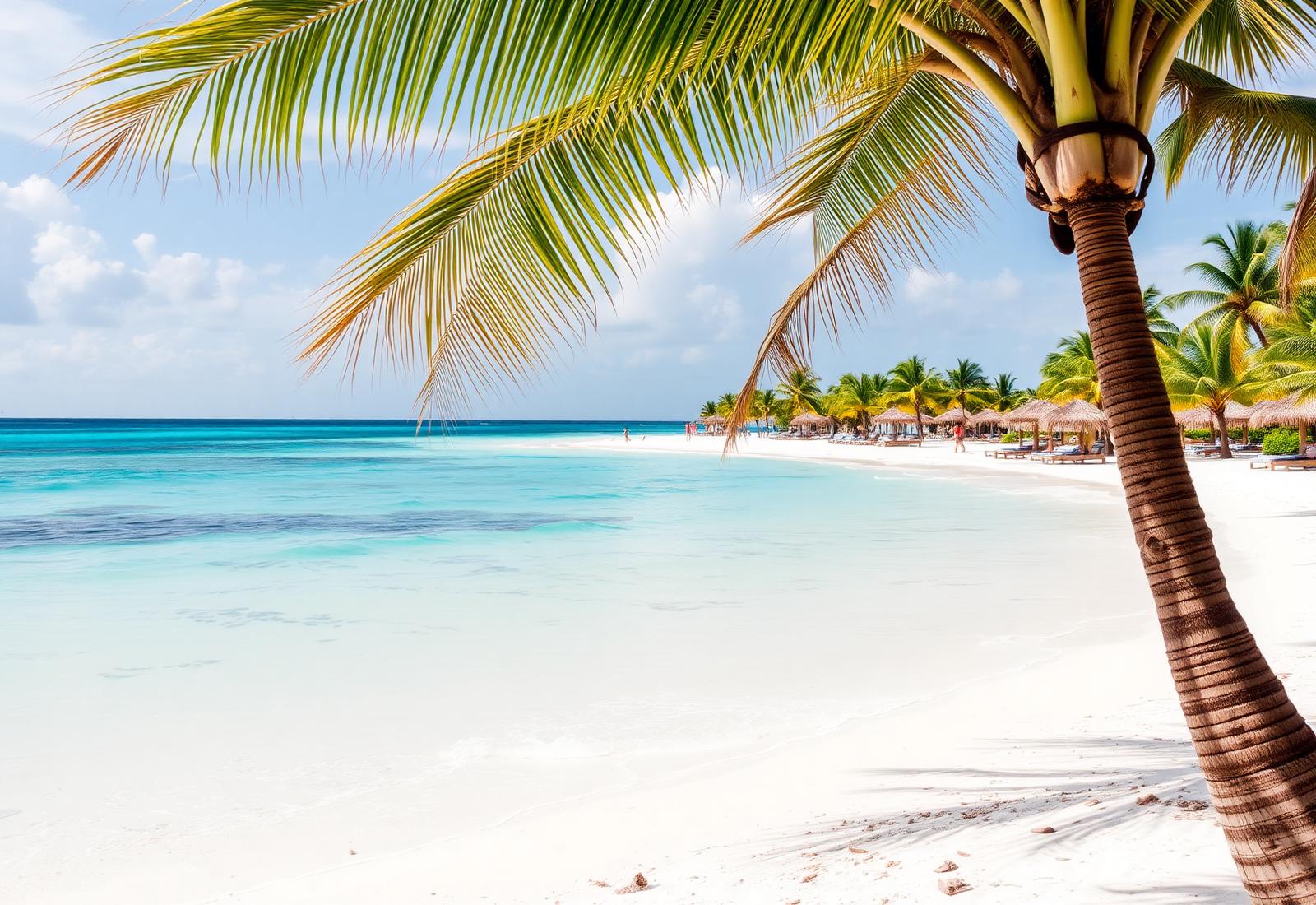
Pale sand and turquoise water make this one of Tulum’s signature coastal stops. Beach conditions, seaweed and access arrangements can change, so check locally before setting out.
beach
Gran Cenote
Just inland from town, this well-known cenote combines clear water with limestone formations. Follow the site’s conservation rules and avoid bringing sunscreen residue into the water.
nightlife
Batey Mojito & Guarapo Bar
This downtown institution is known for mojitos made with fresh sugarcane juice. Its informal atmosphere provides a welcome counterpoint to the beach zone’s polished venues.
nightlife
Calle Centauro Sur
Bars and restaurants cluster around this central street in Tulum Pueblo. It is a practical area for an evening on foot without committing to the hotel-zone scene.
Working from here
cafe
Ki’bok Coffee
This longstanding downtown coffee stop is a familiar name among Tulum visitors. Come for Mexican coffee and a slower start before heading to the beaches or ruins.
Cost of living, in real numbers
Averages hide what actually happens on a Tuesday. Here's what everyday things cost in Tulum for a nomad on the short-let lifestyle. Numbers are illustrative and can swing 20-30% by neighborhood and season, but they'll give you a realistic feel before you book a flight.
Housing is where costs move most. A furnished short-let (1-3 months) in a central area is roughly €1,700/mo. The same apartment on a 12-month local lease is typically noticeably cheaper. Book 2-3 months out and you'll pay 15-25% less than last-minute weekly rates.
Food swings the second most. Cooking most meals with a couple of dinners out per week runs around €620/mo. Eat out or order in daily and you'll add €400-700/mo on top - especially in the tourist zones.
Everything else is fairly stable. Coworking (€150-280/mo unlimited or €15-25 for a day pass), gym or yoga (€40-70/mo), local SIM with 20 GB (€10-20), and getting around town by transit or the occasional ride will together come in around €480/mo.
Weather & best months
Tropical, 24-32°C. Hurricane season Aug-Oct.
Visa & residency
180-day tourist visa; Temporary Resident Visa for longer.
Last checked: November 2026
Pros & cons
Pros
- Postcard beaches
- Wellness scene
- Warm all year
- Cenote diving
Cons
- Pricier than rest of Mexico
- Sargassum seaweed May-Oct
- Wi-Fi patchy
- Mosquitos